Do the Lion Lunge to transition between rooms or activities (at home or in the classroom), for an ‘on-the-move’ brain break
Instructions
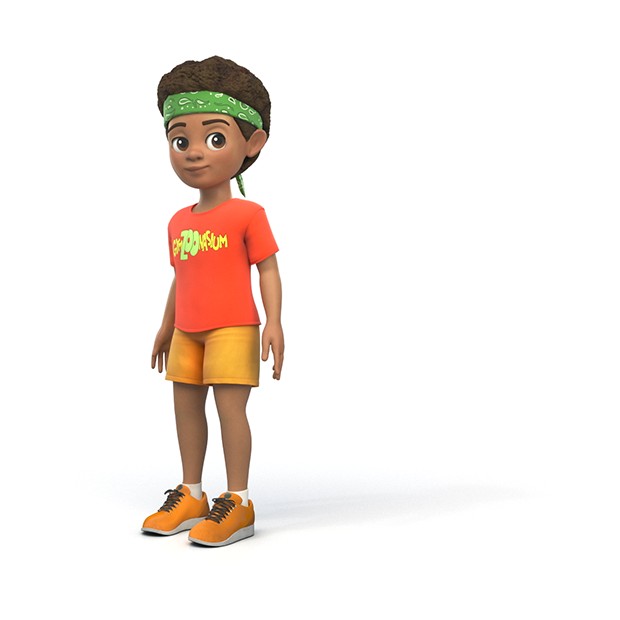
Start standing, with your feet hip width apart
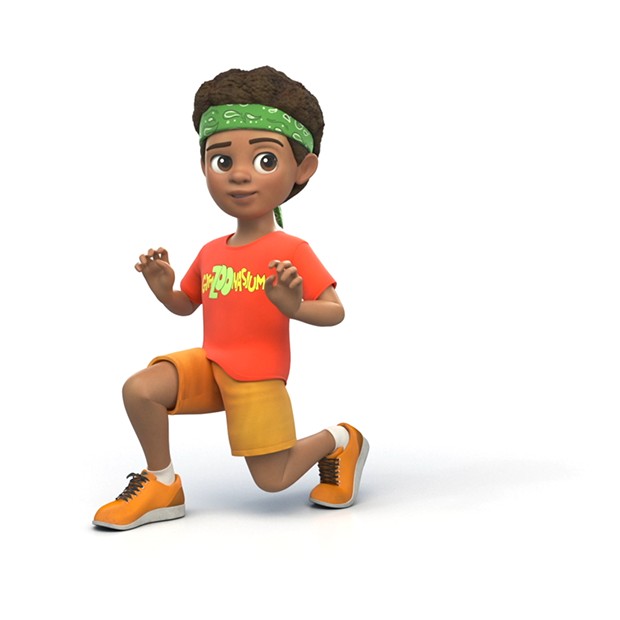
Take a long step forwards with your left foot, lifting your back heel off the floor
Bend your knees to lower your back knee almost to the floor
Push your feet into the floor and straighten your knees, to push yourself back up
Step your front foot back and switch legs
Watch Points
Bending both knees (to achieve right angles in both knees)
Pelvis (hip bones) facing straight forward
Body upright (not bending forward)
Feet kept hip-width apart (i.e. like stepping forward/back with feet on either side of a train-track)
Front knee behind the front toes. To achieve this: take a large step forward, and keep your weight balanced on both the front and back foot.
Modifications
More Challenging
Multi-Sensory
Ball Skills
Fine Motor
Standing:
Step forward and then back again, without lungeing down. Focus on your balance and keeping your hips level.
Take a long step forwards with one foot, lifting your back heel off the floor.Keep your feet glued to the floor while you lunge down and up 5 times.Step your front foot back and repeat on the other leg.
Seated:
Lift one leg off your chair, hold for 3 seconds, then lower. Switch legs and keep repeating.
Try ‘walking lunges’ around the room.
Pretend you’re lunging in the long grass, like a lion sneaking up on its lunch. Keep your body upright while you’re lunging down. Sneak, sneak, sneak…
What sound does a lion make?
Not Applicable
Not Applicable
Progress Tracker
How many lion lunges can you do in a row with your left foot forward?